
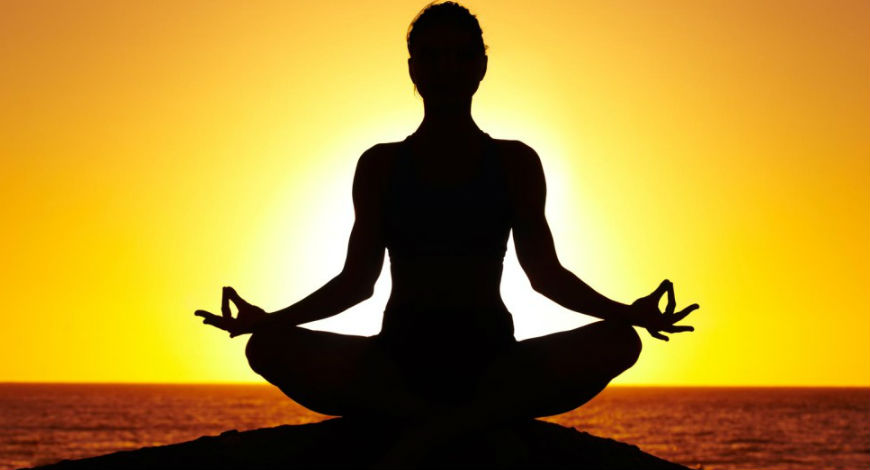
Stress can cast a heavy shadow on our minds, paving the way for neuropsychiatric disorders. Luckily, the dynamic duo of yoga and meditation emerges as a beacon of relief. Let’s explore the transformative effects they have on common stress-related conditions.
Anxiety and Depression: A Breath of Fresh Air
According to Kaushik et al. (2020), yoga and meditation step up as champions in alleviating symptoms of anxiety and depression. The practice instills a sense of calm, aiding in the management of these prevalent neuropsychiatric challenges.
Beyond Anxiety and Depression: Exploring Possibilities
While anxiety and depression are at the forefront, other stress-related disorders may find solace in the embrace of yoga and meditation. Chronic tension headache, migraine, and psychogenic epilepsy are potential contenders for relief, awaiting further exploration through dedicated research.
The Scientific Lens: Insights from Jamil et al. (2023)
Jamil et al. (2023) dive into the profound impact of meditation, unveiling positive changes through magnetic resonance imaging (MRI). Beyond the mind, these practices extend a helping hand to various multi-factorial diseases like diabetes, hypertension, and fibromyalgia.
- Body and Mind Harmony: The Holistic Approach
Meditation, as highlighted by Jamil et al. (2023), isn’t just about mental well-being. The immune system receives a boost, cytokines decrease, and telomeres shorten appropriately for healthy aging. It’s a holistic journey that touches multiple facets of our well-being.
- A Shield Against Mental Battles: Anxiety, PTSD, and Depression
Meditation’s positive emotional effects become a shield against mental battles. Social anxiety, PTSD, anxiety, and depression find a formidable opponent in the form of regular meditation, fostering a healthier mental landscape.
- Uncertainties and the Road Ahead
Despite the promising landscape, the magnitude of the effects of yoga and meditation on these disorders remains uncertain. Jamil et al. (2023) stress the need for more diverse and detailed studies to unlock the full potential and provide comprehensive clinical outcomes.
In Conclusion: Whether you’re battling anxiety, depression, or exploring the uncharted territories of stress-related disorders, yoga and meditation stand as allies in your journey toward well-being. As research unfolds, the promise of a healthier, harmonized life beckons. Ready to embark on this transformative quest? 🌟 #MindBodyHarmony #StressReliefJourney #YogaMeditationHealing
Jamil, A., Gutlapalli, S. D., Ali, M., Oble, M. J. P., Sonia, S. N., George, S., Shahi, S. R., Ali, Z., Abaza, A., & Mohammed, L. (2023). Meditation and its mental and physical health benefits in 2023. Cureus, 15(6)
Kaushik, M., Jain, A., Agarwal, P., Joshi, S. D., & Parvez, S. (2020). Role of yoga and meditation as complimentary therapeutic regime for stress-related neuropsychiatric disorders: Utilization of brain waves activity as novel tool. Journal of Evidence-Based Integrative Medicine, 1–12. https://search.ebscohost.com/login.aspx?direct=true&AuthType=ip,sso&db=edb&AN=146205782&site=eds-live&custid=s7439054
Blog:
Yoga and mindfulness meditation share the common goal of promoting relaxation, reducing stress, and enhancing overall well-being, yet they diverge in their emphasis and methods. Yoga, a physical practice involving postures, breathing exercises, and meditation techniques, is often group-oriented and more physically demanding. It enhances flexibility, strength, balance, and mitigates stress (Kaushik et al., 2020). Conversely, mindfulness meditation is a mental practice fostering non-judgmental awareness of present thoughts and sensations, devoid of physical postures. It improves attention, emotional regulation, and reduces stress and anxiety. Despite these distinctions, both practices contribute to well-being and stress reduction, with individual preferences guiding the choice (Yela et al., 2020).
Yela et al. (2020) reveal that consistent mindfulness meditation yields positive mental health outcomes, mediated by enhanced self-compassion, meaning in life, and acceptance of inner experiences. For those seeking mental health benefits, regular meditation, coupled with cultivating these attitudes, is recommended. Additionally, interventions featuring meditation should stress the significance of regular practice, emphasizing self-compassion, meaning, and acceptance.
Kaushik et al. (2020) report that both yoga and meditation effectively alleviate symptoms of anxiety and depression, two commonly studied neuropsychiatric disorders associated with stress. While these therapies have shown promise, further research is needed to explore their potential benefits for other stress-related disorders such as chronic tension headache, migraine, and psychogenic epilepsy.
How has your meditation practice influenced your overall well-being and stress management?
References
Kaushik, M., Jain, A., Agarwal, P., Joshi, S. D., & Parvez, S. (2020). Role of yoga and meditation as complimentary therapeutic regime for stress-related neuropsychiatric disorders: Utilization of brain waves activity as novel tool. Journal of Evidence-Based Integrative Medicine, 1–12. https://search.ebscohost.com/login.aspx?direct=true&AuthType=ip,sso&db=edb&AN=146205782&site=eds-live&custid=s7439054
Yela, J. R., Crego, A., Gómez, M. M. Á., & Jiménez, L. (2020). Self‐compassion, meaning in life, and experiential avoidance explain the relationship between meditation and positive mental health outcomes. Journal of Clinical Psychology, 76(9), 1631–1652. https://search.ebscohost.com/login.aspx?direct=true&AuthType=ip,sso&db=pbh&AN=145115969&site=eds-live&custid=s7439054
Blog:
Eeles and Walker (2022) reveal that mindfulness in Dialectical Behaviour Therapy (DBT) enhances self-reported mindfulness and positive psychological measures, showing positive effects on clinical symptoms but calling for further research on underlying mechanisms. Concurrently, Jamil et al. (2023) demonstrate meditation’s significant benefits on the body, including positive brain changes and improvements in the immune system, emphasizing the need for diverse and detailed studies to determine its overall impact. Schmidt et al. (2021) affirm the effectiveness of mindfulness skills training in DBT, particularly in treating borderline personality disorder (BPD), emphasizing the pivotal role of decentering as a primary mechanism in DBT-M for BPD treatment. Together, these studies highlight the potential of mindfulness and meditation in enhancing mental well-being, treating clinical symptoms, and improving overall health, with a call for further research to understand their mechanisms and magnitude of impact.
How might a deeper understanding of the mechanisms underlying mindfulness and meditation practices contribute to more effective and tailored therapeutic interventions for mental health and well-being?
References
Eeles, J., & Walker, D. M. (2022). Mindfulness as taught in dialectical behaviour therapy: A scoping review. Clinical Psychology & Psychotherapy, 29(6), 1843-1853
Jamil, A., Gutlapalli, S. D., Ali, M., Oble, M. J. P., Sonia, S. N., George, S., Shahi, S. R., Ali, Z., Abaza, A., & Mohammed, L. (2023). Meditation and its mental and physical health benefits in 2023. Cureus, 15(6)
Schmidt, C., Soler, J., Farres, C. C., Elices, M., Dominguez-Clave, E., Vega, D., & Pascual, J. C. (2021). Mindfulness in borderline personality disorder: Decentering medicates the effectiveness. Psicothema, 33(3), 407-414.
Blog
In response to the growing evidence supporting complementary therapies, I would integrate the Relational Spirituality Model (RSM; Captari et al., 2021) and Mindfulness-Based Cognitive Therapy (MBCT; Shamblaw & Segal, 2022) into counseling, focusing on Major Depressive Disorder with an existential/spiritual component and a history of trauma. Gaining proficiency involves education, supervision, and personal practice.
The Relational Spirituality Model (RSM) provides a foundational framework, emphasizing the importance of relational spirituality in spiritually integrated psychotherapy. Highlighting the connection to something larger and the cultural context, RSM guides therapists to be culturally aware and sensitive (Captari et al., 2021).
Complementing RSM, Spiritually Oriented Trauma-Focused Cognitive-Behavioral Therapy (SO-TF-CBT) integrates spiritual elements into trauma-focused therapy, aiding individuals in processing trauma and finding purpose (Bentley et al., 2021).
In the counseling scenario, RSM and MBCT guide the approach, addressing relational spirituality and utilizing mindfulness to alleviate depression. This integrative strategy aims to not only address depressive symptoms but also deepen the client’s spiritual connection. Regular assessment ensures alignment with the client’s evolving needs (Captari et al., 2021; Shamblaw & Segal, 2022).
References
Bentley, J. A., Feeny, N. C., Dolezal, M. L., Klein, A., Marks, L. H., Graham, B., & Zoellner, L. A. (2021). Islamic trauma healing: Integrating faith and empirically supported principles in a community-based program. Cognitive and Behavioral Practice, 28(2), 167-192.
Captari, L. E., Sandage, S. J., & Vandiver, R. A. (2021). Spiritually integrated psychotherapies in real-world clinical practice: Synthesizing the literature to identify best practices and future research
directions. Psychotherapy. https://search.ebscohost.com/login.aspx?direct=true&AuthType=ip,sso&db=pdh&AN=2022-04306-001&site=eds-live&custid=s7439054
Shamblaw, A. L., & Segal, Z. (2022). Mindfulness meditation in the long-term management of mood disorders: Contributions by Canadian researchers. Canadian Journal of Behavioural Science / Revue Canadienne Des Sciences Du Comportement, 54(2), 142–151. https://search.ebscohost.com/login.aspx?direct=true&AuthType=ip,sso&db=pdh&AN=2022-50922-006&site=eds-live&custid=s7439054
